Part 1: Hypocrisy, Scandals, and Elite Excess
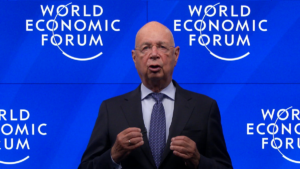
With the recent gathering in Davos for the World Economic Forum’s annual get-together (January 2026), I decided to take not just a look, but a deep dive into the organization and the people who are members of this self-appointed “committee.” What I discovered is a clear case of elites deciding how they can exert control over the global population.
I’ve read posts, tweets, and opinion pieces claiming the WEF is “just a think tank”—just a gathering of world leaders who throw thoughts and ideas around. I wondered about this. Why do they all need to thumb their noses collectively and hypocritically at their individual countrymen to travel to Davos for this conference? Almost all come from countries where the garbage threat of global warming has imposed punishment systems of high, uncalled-for taxation just for utilizing the necessities of life—yet they all burn inordinate amounts of fuel to reach Switzerland when the whole thing could be handled in a series of Zoom meetings.
This year alone, Greenpeace tracked a sharp rise in private jet activity: around 709 additional flights to nearby airports during WEF week, roughly one private jet for every four participants. That’s a tripling since 2023 in some metrics, despite attendance staying roughly stable. While ordinary people get lectured on carbon footprints and slapped with taxes on fuel, heating, and groceries, the Davos crowd arrives in the most polluting way possible—then heads home to preach more “net-zero” sacrifices. It’s pure hypocrisy: elites burning massive carbon to discuss how the rest of us should cut back.
And it doesn’t stop at jets. Reports from recent summits highlight another dark side: a massive surge in demand for sex workers and escorts. Swiss platforms and agencies saw erotic service requests jump dramatically (one reported 4,000% on opening day in prior years, with similar patterns continuing). High-end packages reportedly hit tens of thousands for multi-day “parties” involving multiple women, NDAs, and bizarre requests (from role-playing to group arrangements). Sex work is legal in Switzerland, so it’s no secret—the influx of wealthy delegates creates a temporary boom, with workers traveling in specifically for the event. The same crowd debating empowerment, equality, and ethics by day allegedly indulges in paid debauchery by night. And it’s all paid for by your tax money! If this is the moral leadership shaping global agendas, no wonder trust in institutions is tanking.
But the real damage isn’t just the optics—it’s how their “brainstorming” ideas become national policy, often to the detriment of everyday citizens.The WEF doesn’t pass laws, but it doesn’t need to. Through its Young Global Leaders program (a hand-picked network of under-40 rising stars in politics and business), it seeds influence. Alumni include Justin Trudeau (Canada), Emmanuel Macron (France), and others who’ve climbed to power and pushed WEF-aligned policies.
In Canada, Trudeau’s government aggressively rolled out carbon pricing and net-zero targets—federal carbon tax climbed yearly, tied to emissions goals that echo WEF reports on coordinated pricing and “stakeholder” transitions. The result? Higher costs for gas, home heating, and groceries that hit working families, rural communities, and energy-dependent provinces hardest. Rebates exist, but they’re often seen as insufficient—more like a band-aid on inflation driven by the policy itself. Trudeau has spoken at Davos multiple times, praising climate action and “building back better,” while Canadians face real pain from the implementation.
The Great Reset (launched 2020 as a COVID recovery blueprint) amplified this pattern. It pushed “stakeholder capitalism”—companies and governments collaborating on sustainability, equity, and centralized reforms. Sounds noble on paper, but in practice, it translates to rushed green transitions that spike energy prices (Europe’s 2022 crisis as exhibit A) and expanded regulations that burden small businesses while multinationals snag subsidies and offsets.
Carbon pricing is the poster child: WEF champions it as essential for net-zero, with suggested dividends to offset citizen costs. But look at the fallout—France’s fuel tax hikes sparked the massive Gilets Jaunes protests; Canada’s version fuels ongoing inflation complaints and regional backlash. The elites debate these tools in luxury while the policies punish the people they claim to help. But Carney paused the carbon tax, you say. Key word in that sentence: “paused“. It is now hidden in industrial carbon pricing, subject to increase at any time without the general public really knowing about it, and any cost increase gets passed down to the consumer. Additionally the Clean Fuel Standards hasn’t been removed and currently sits at seven cents per litre. It is subject to increase at any time by the current Canadian government without being revealed at the pump.
The pattern is clear: WEF floats ideas → networked leaders (YGLs and Davos regulars) adopt them → governments implement top-down policies → citizens pay the price in higher living costs, lost jobs (e.g., fossil fuel sectors), and eroded freedoms (digital ID explorations, anyone?). National sovereignty takes a backseat when unelected forums shape what elected governments prioritize.
The WEF likes to present itself as a beacon of ethical global leadership—transparent, collaborative, and above reproach. But peel back the curtain, and scandals galore emerge, especially in recent years. These aren’t fringe conspiracies; they’re documented in mainstream outlets like Reuters, The Guardian, POLITICO, Wall Street Journal, and Swissinfo, involving financial misconduct, abuse of power, workplace toxicity, and more. The biggest bombshell hit in 2025 with founder Klaus Schwab’s downfall.
Schwab, the “king of Davos” who built the organization into a global powerhouse, resigned as chairman in April 2025 amid explosive whistleblower allegations from current and former staff. An independent probe (ordered by the WEF board and conducted by Swiss law firm Homburger) followed, though Schwab fought back with defamation lawsuits and criminal complaints against the whistleblowers. Even after his exit, Davos 2026 opened without him—symbolizing the rot at the top.
The allegations painted a picture of an organization that preaches ethics and governance while failing spectacularly internally: Financial misconduct and misuse of funds — Whistleblowers claimed Schwab and his wife Hilde misused WEF resources for personal travel (e.g., questionable expenses), luxury perks, and other improper uses of organizational money.
- Manipulation of research and reports — Schwab allegedly altered or influenced the WEF’s Global Competitiveness Report (and other outputs) to serve political interests, curry favour with certain governments or figures, or advance personal agendas (e.g., pushing for a Nobel Peace Prize nomination).
- Abuse of power and toxic workplace culture — Reports detailed bullying, threats against board members and staff, inappropriate treatment of employees (including claims of unfriendly or discriminatory behaviour toward certain groups), and a broader “toxic” environment under his leadership. Some accounts mentioned suggestive emails and other ethical lapses.
- Ethical hypocrisy and elite excess — Layered on top: broader criticisms of a culture where leaders lecture on equality and sustainability while indulging in private jets, lavish events, and (as we covered) a documented surge in high-end sex work demand during summits.
These aren’t one-off gripes—the 2025 probe and Schwab’s legal countermeasures highlighted deep governance issues. The WEF’s own follow-up statements cleared some specifics or called allegations “unproven,” but the damage was done: trust eroded, relevance questioned, and the organization exposed as unable to uphold the standards it demands of the world.
But the real danger isn’t just the private jets and scandals. It’s how these ideas are already reshaping Canada—and what happens when the ‘quiet part’ gets said out loud.
Coming up in Part Two: The seep, the slogans, and why Canadians need to push back.
Sources / References
Greenpeace International, “One private jet flight for every four Davos participants” (Jan 15, 2026) – greenpeace.org
Greenpeace CEE report “Davos in the Sky” (Jan 2026) – greenpeace.at
New York Post, “Risky business: Sex workers demand soars in Davos during World Economic Forum” (Jan 24, 2026)
Daily Mail, “Secrets of the Davos sex workers serving global elite” (2025 report, patterns continuing)
Reuters, “World Economic Forum launches probe into founder Klaus Schwab over whistleblower allegations” (Apr 22, 2025)
Wall Street Journal, “The Unraveling of the King of Davos” (May 13, 2025)
Fortune, “World Economic Forum founder Klaus Schwab and his wife cashed in on Davos with over $1 million in questionable travel expenses” (Jul 23, 2025)
POLITICO, “WEF probe findings reportedly show Schwab manipulated competitiveness report” (Jul 20, 2025)
Swissinfo.ch, “Downfall in Davos: Klaus Schwab fights for legacy after WEF whistleblower claims” (May 15, 2025)
WEF official news release on probe findings (Aug 15, 2025) – weforum.org
(We welcome and encourage comments either below or on our social media posts!)
 0
0
 795
795
 20
20